
Shiursefer
From shiur to sefer.
We turn recorded Torah into print-ready English seforim — polished prose that preserves the rav's voice, not cleaned-up transcripts.
We'd be happy to show you a short demo of what your sefer could look like.
What we do, in two columns.
A short passage from a recorded shiur, shown raw on the left and as we would render it for a sefer on the right.
So I'm reading you here in the back of the Mesivta in the Yalkut Be'urim on Sotah Daf Yud Amud Aleph. So first they bring the Maharsha. The Maharsha is meva'er she'dayku kein mima she'kasuv vayehi tochen v'lo tachan oso lo litchon.
Mashma davar haba beratzon. So exactly what we were just saying, that this wasn't something he was forced to do. The lashon of vayitchan is that he did it willingly, beratzon. So it must be that he's doing something beratzon.
What's he doing beratzon? This is something he's doing willingly as opposed to them forcing him. As my father said, there's not something you can force. So what did he do willingly? This is what he did willingly. That's the Maharsha.
The Maharsha notices that the pasuk does not say tachan oso lo li-tchon, "they made him grind." It says va-yehi tochen — "and he was grinding" — language that connotes willing, with ratzon. Had the Plishtim simply forced Shimshon to operate a mill at sword-point, the Navi would have written it that way: a hifil, va-yatchinuhu, or a passive form. The active va-yehi tochen suggests something Shimshon was doing, not something being done to him.
Tanach is precise about this distinction. There is a difference between what was made to happen and what someone did. Shimshon was a participant — and not a forced one. The pasuk's grammar already indicates that it was something other than physical labor.
From a derasha by a contributing rosh yeshiva.
See the work in its final form.
One possible rendering of a finished chapter. Final layout and typesetting are decided in the typesetting phase.
A sefer worthy of print, from shiurim already given.
Many Rabbanim deliver shiurim and derashos for decades. The Torah is real, the impact is felt, the recordings accumulate. But the leap from a shelf of audio files to a printed sefer — one whose prose is worthy of the Torah it carries — is enormous, and rarely the kind of work a rav has time to do himself.
Shiursefer exists for that gap. We take recorded shiurim and produce print-ready English seforim. Not lightly cleaned transcripts: heavy editorial rewrites into the kind of polished written prose a serious sefer demands, while preserving the rav's voice, warmth, signature phrases, and musar peaks.
Every source citation is verified by a talmid chacham before print. This is not negotiable. A sefer that misquotes a Rishon is a sefer no rav wants his name on, and it is a safeguard we hold to without exception.
Four steps, calibrated to your voice.
- א
You record.
Or you hand us recordings already given. Live shiurim, derashos, ma'amarim — whatever has accumulated.
- ב
We rewrite.
Each shiur is transcribed and rewritten into polished English prose, calibrated to your voice and chosen register.
- ג
You review a specimen chapter.
Before the full sefer is drafted, we send one calibrated chapter. You react, we adjust. The voice is locked in before the rest is built.
- ד
We deliver.
The full manuscript is drafted, source-verified by a talmid chacham, and delivered print-ready.
How it works in detail
Recording & intake
You may already have years of recordings. Or you may record specifically for the sefer. Either is fine. We accept any audio quality that can be cleanly transcribed, and we take care of the transcription as part of intake.
Voice calibration
Before any drafting begins, we ask you to react to three short prose samples in different registers — long and formal, medium and direct, short and punchy. People recognize their own voice when they see it executed; they struggle to forecast it in the abstract. The samples settle the calibration question quickly.
Specimen chapter
We produce one fully edited chapter early. You read it, mark it, push back where it doesn't sound like you. We adjust. This is where most voice mismatches are caught — long before the full sefer is at stake.
Full drafting
Once calibration is locked, the remaining chapters are drafted at the agreed register. A running editorial decisions log keeps consistency across chapters and lets your feedback land systematically rather than ad hoc.
Source verification
Every citation — every Rashi, every Midrash, every Acharon — is checked by a talmid chacham before the manuscript leaves our hands. This step is ours, not an add-on. It is what makes the work safe to put your name on.
Print-ready delivery
You receive a finished manuscript prepared for print, with consistent formatting, source citations in proper form, and a structure suited to the genre of the work.
What you receive.
- ✦A complete, print-ready English manuscript
- ✦Polished prose that preserves your voice and signature phrases
- ✦Every source verified by a talmid chacham before print
- ✦A specimen chapter calibration before full production begins
- ✦A running editorial decisions log so consistency holds across chapters
- ✦Two rounds of feedback per chapter, at minimum
Torah waiting to be set in lasting form.
Rabbanim & Roshei Yeshiva
If you have years of shiurim, derashos, or ma'amarim — recorded but not written, valued but not yet preserved in print — Shiursefer is for you.
Families & Kehillos
We also work with families, talmidim, and kehillos who wish to honor a rebbi by producing his Torah as a sefer — sometimes as a campaign, sometimes as a private gift.
Founded by two who care about how this is done.
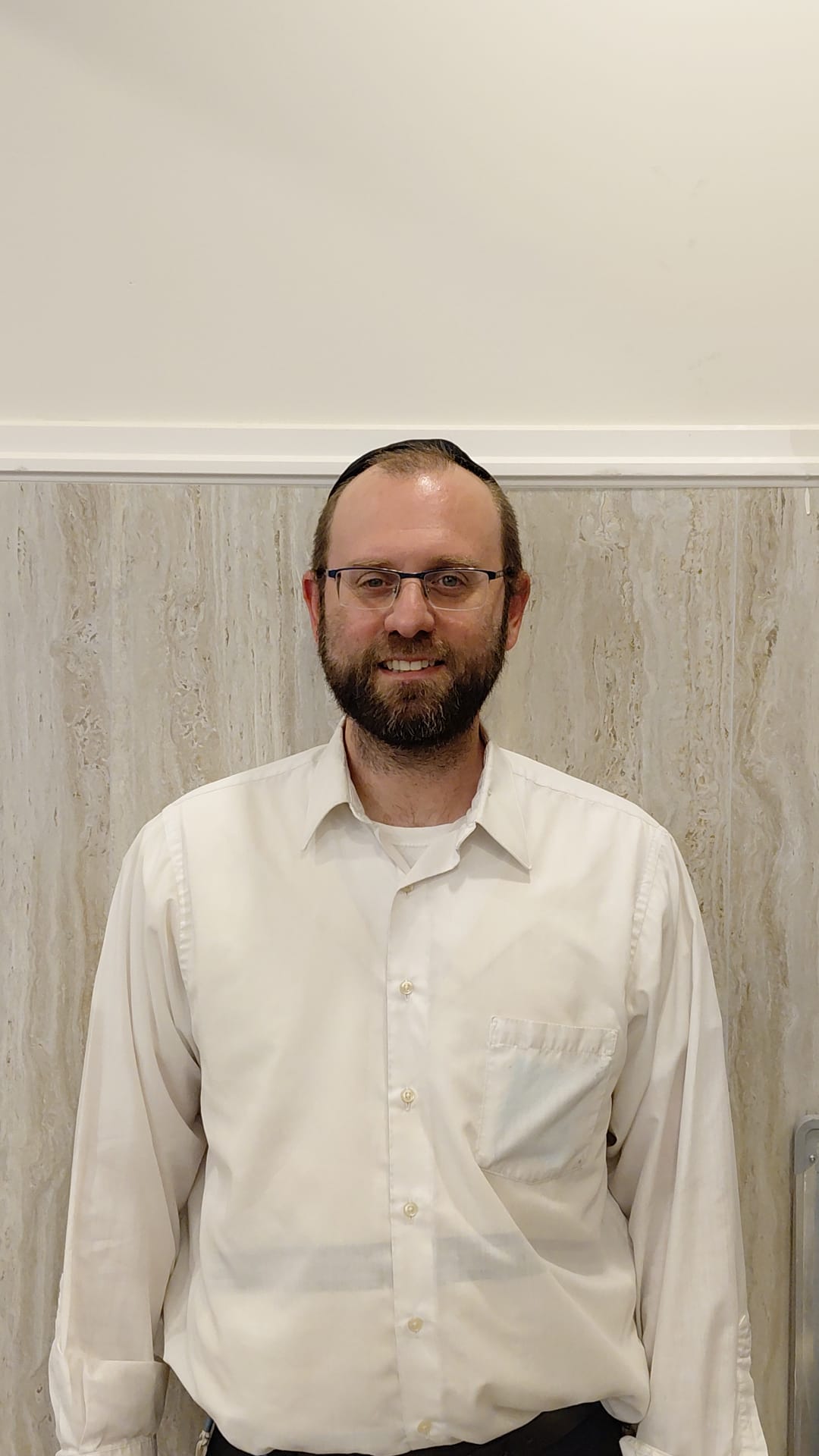
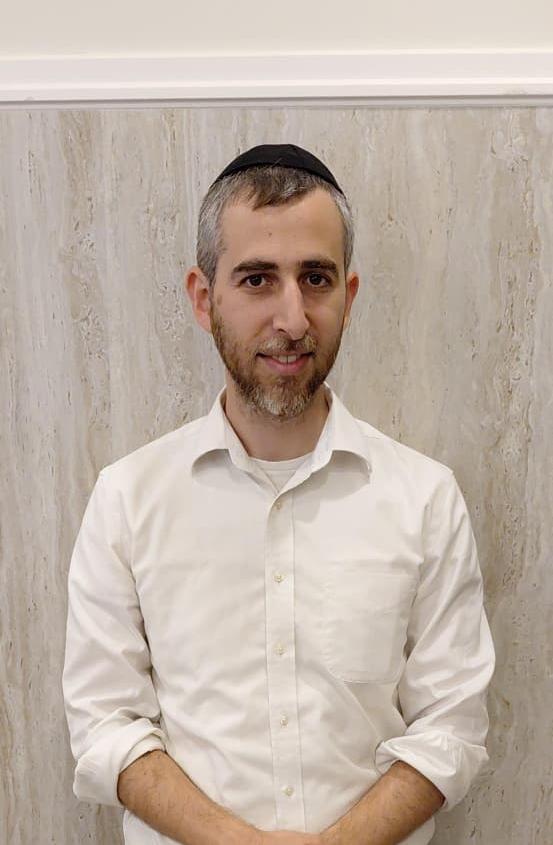
Source verification of every sefer is performed by a talmid chacham before print. This is the safeguard that makes the work safe to put a rav's name on, and we hold it without exception.
Things rabbanim ask.
Timeline depends on the length of the work and the complexity of the sources. We set realistic expectations during the consultation, once we understand the scope.
Pricing is shaped to the work — its length, its sources, its complexity. We give you a clear quote after the first conversation, with no obligation to proceed.
You do, fully. The rav holds all rights to his Torah and to the printed work. Our role is to produce; the sefer is yours.
The specimen chapter is the first place this gets caught and corrected. Beyond that, every chapter has at least two rounds of feedback before it's locked, and we don't move forward on chapters you haven't approved. We also discuss your preferred rhythm at the start of the project — some rabbanim want to review chapters as they're drafted; others prefer to see only the opening, the closing, and the full manuscript at the end. Either way works.
Begin a conversation.
If you would like to talk about a sefer — yours or your rebbi's — write to us. The first thirty minutes are without obligation, and there is no pricing to negotiate before we understand the work.
Get in touch with us
Or we'll get in touch with you
Leave your details and we'll reach out within two business days.
We respond within two business days.